

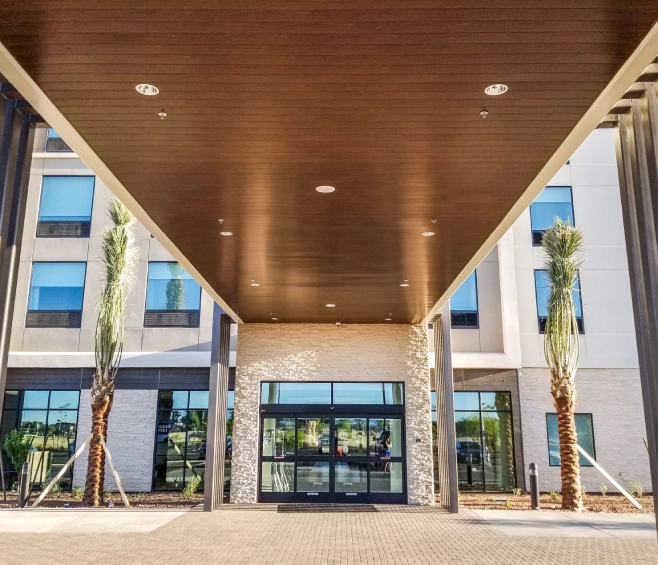
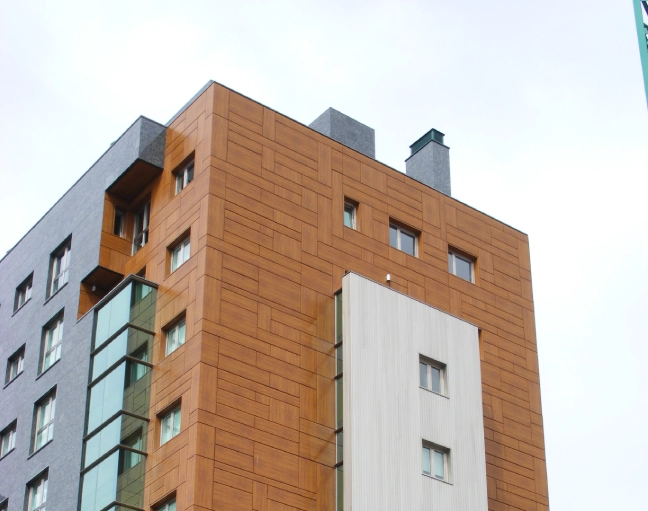
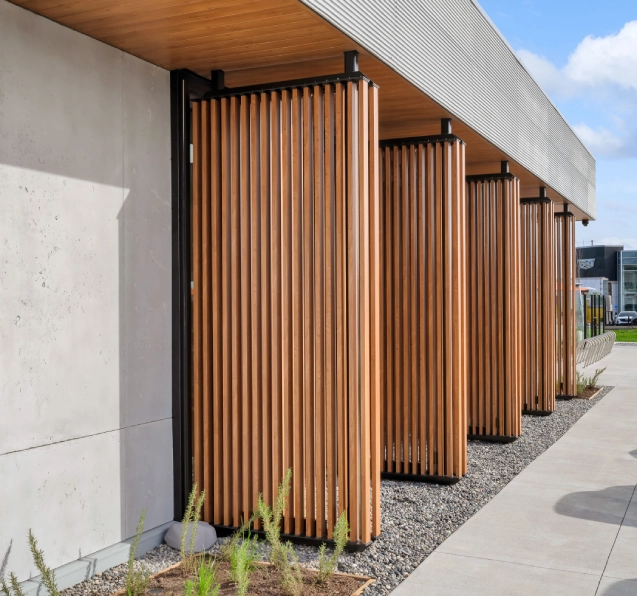
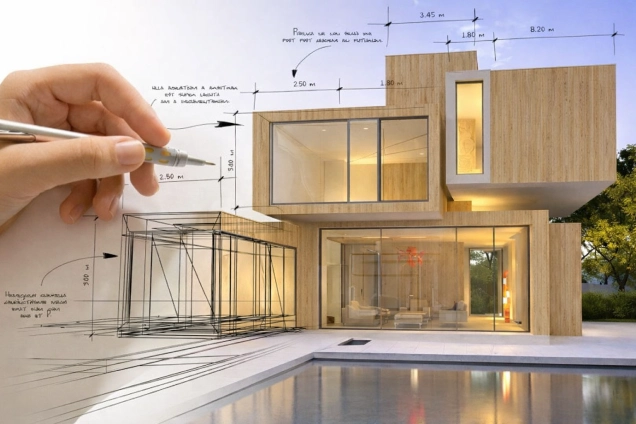



Tongue-and-groove is a joinery method, not a material, each panel has a protruding “tongue” on one edge and a matching “groove” on the other, so panels interlock along a continuous run. In exterior siding, that interlock does two jobs at once: it manages water and air movement at the joint, and it creates the reveal, the “shadow line”, that defines the wall’s texture from a distance. This guide is about the design side of that choice: what different reveal sizes do visually, how orientation changes the read of a facade, and where T&G fits next to other siding joinery systems.
1. How the Joint Shapes the Look
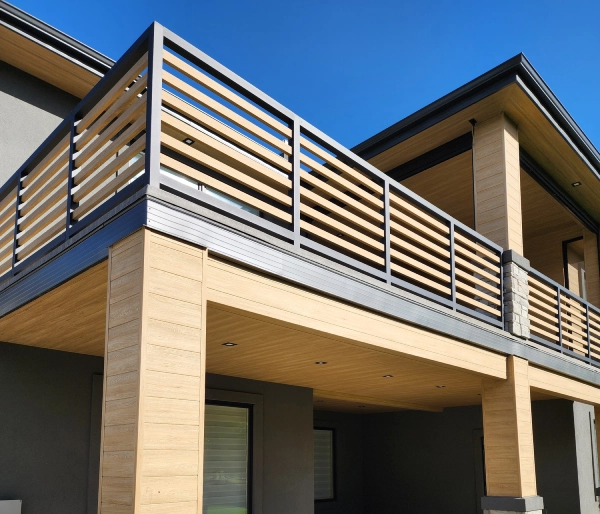
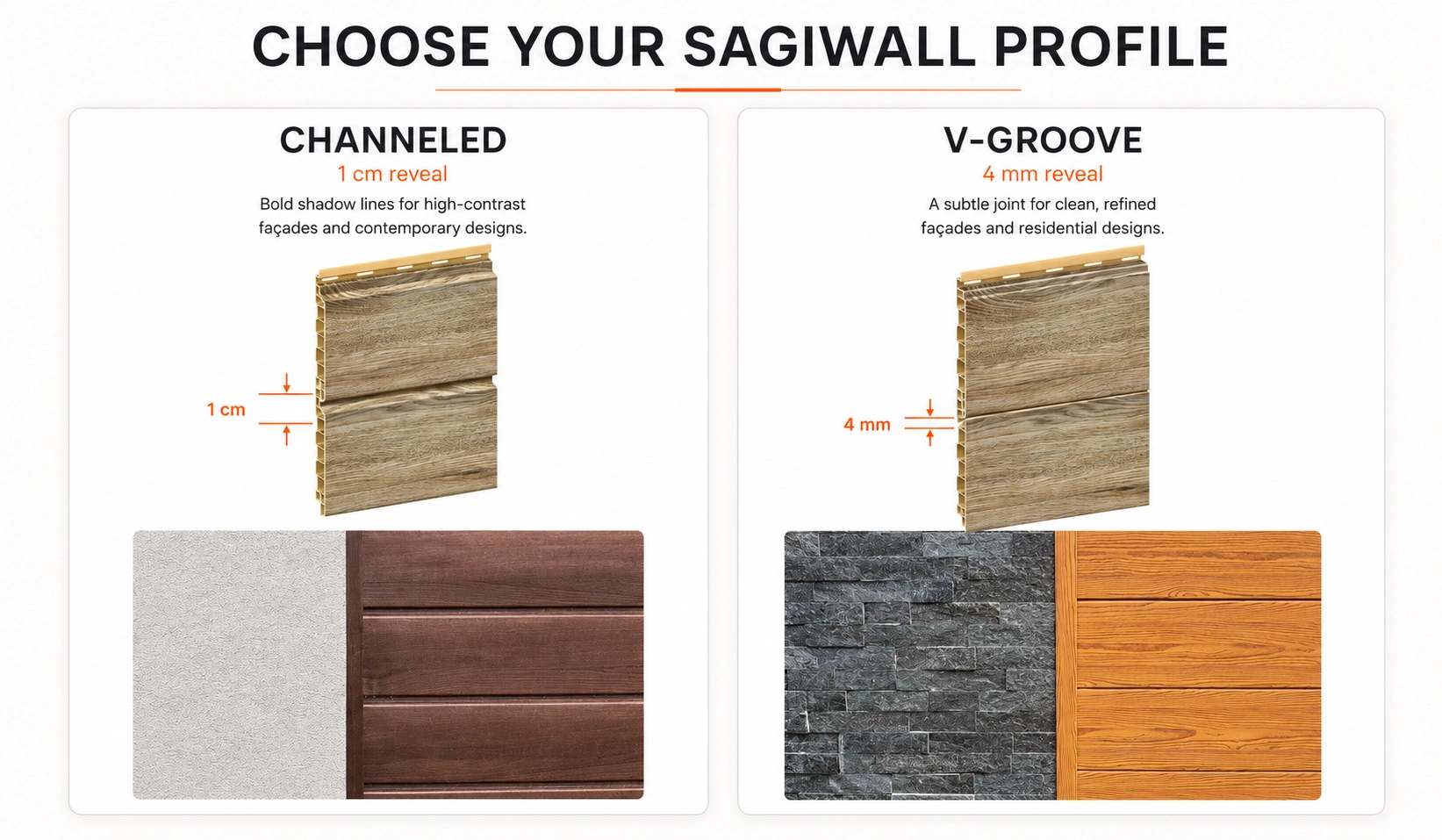
The depth and shape of the reveal at each joint is what a viewer actually perceives as the wall’s “grain” from normal viewing distance — more than the woodgrain print itself, in a lot of lighting conditions. SAGIWALL offers two reveal profiles built on the same tongue-and-groove interlock:
- Channeled (1 cm reveal) — a deeper, squared-off shadow line that reads as bold and modern from a distance. Tends to suit larger commercial facades where the wall needs to hold its own at scale.
- V-Groove (4 mm reveal) — a shallow, subtle line that reads as closer to a continuous plane up close, with texture emerging mainly under raking light. Common on residential-scaled and more understated commercial applications.
2. Orientation: Horizontal vs. Vertical
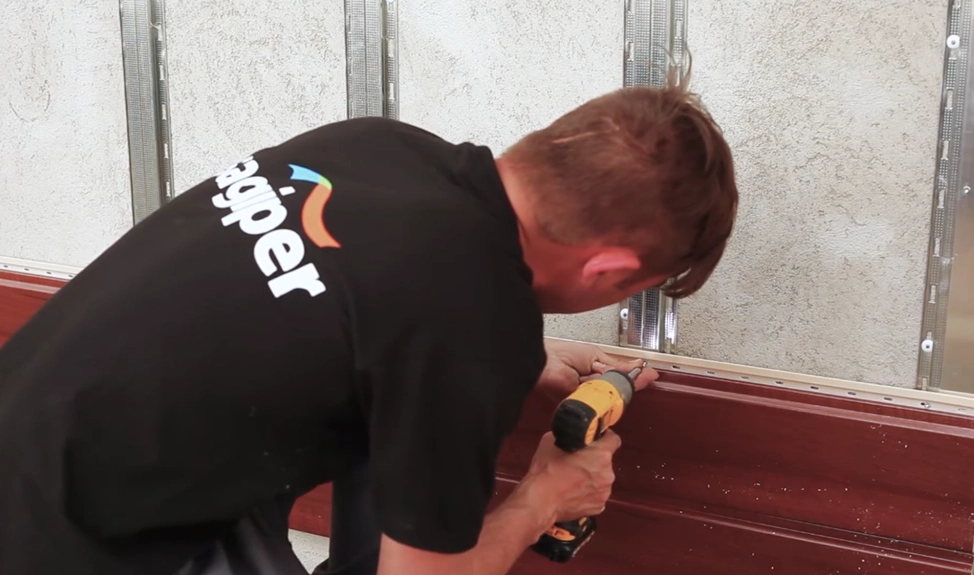
Tongue-and-groove siding isn’t locked to one orientation. Horizontal runs are the default and the most water-forgiving orientation for a standard rainscreen detail. Vertical runs read taller and more contemporary, and work well for accentuating height on a facade — but need furring and flashing details adjusted specifically for vertical water management, since the joint orientation changes how water sheds at each reveal.
- Horizontal — classic, most straightforward water management, widest use case
- Vertical — emphasizes height, strong contemporary read, requires vertical-specific furring and flashing detailing
- Mixed — horizontal field with a vertical accent band (or vice versa) at entries, stair towers, or feature walls
3. Mixing Profiles and Finishes on One Elevation
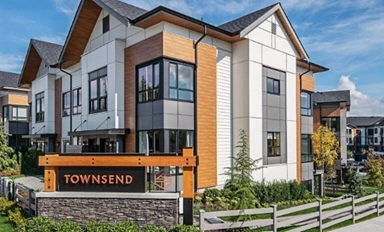
Because both SAGIWALL profiles share the same panel dimensions and installation system, they can be combined on a single building — Channeled on the main field with V-Groove picking out a recessed entry, for instance, or a color/finish change at the same reveal to mark a base course or accent band. This is a common move on multifamily and hospitality projects that want variation without introducing a second cladding system and its own detailing, flashing, and transition conditions.
| DESIGN NOTE
Every material transition on a facade is also a detailing decision — flashing, expansion joints, and fastening patterns all need to be resolved at the transition line. Keeping transitions within one product system (like switching SAGIWALL profiles rather than switching materials entirely) keeps that detailing simpler. |
4. How T&G Compares to Other Siding Joinery
| Joinery Type | Reveal Character | Typical Use |
| Tongue and groove | Continuous interlocking reveal, consistent shadow line | Modern commercial and residential facades |
| Lap / shiplap | Overlapping horizontal reveal, deeper shadow at each course | Traditional and coastal-influenced design |
| Board and batten | Wide flat panels with narrow vertical battens at joints | Farmhouse, vertical-emphasis designs |
None of these is categorically “better” — they’re different visual languages. T&G tends to get specified when the goal is a clean, consistent, contemporary reveal without the heavier shadow lines of lap siding or the more rustic read of board-and-batten.
Frequently Asked Questions
Q: What’s the difference between tongue-and-groove and lap siding?
A: Tongue-and-groove panels interlock edge-to-edge for a continuous, consistent reveal. Lap (shiplap) siding overlaps each course, creating a deeper horizontal shadow line. Both manage water at the joint, but they produce a different visual texture.
Q: Can tongue-and-groove siding be installed vertically?
A: Yes — SAGIWALL supports both orientations, though vertical installation requires furring and flashing details specific to vertical water management. See the SAGIWALL installation guide for the full detailing.
Q: Which SAGIWALL profile has a bolder shadow line, Channeled or V-Groove?
A: Channeled, with a 1 cm reveal. V-Groove has a 4 mm reveal for a subtler, more continuous appearance.
Related Resources
- The Complete Guide to Maintenance-Free Exterior Siding
- SAGIWALL Finish Guide: Woodgrain, Metallic & Solid Colors
- Horizontal vs. Vertical Siding: Design & Performance Differences
- SAGIWALL Product Page →
| SEE THE REVEAL IN PERSON
Request samples of both the Channeled and V-Groove profiles to compare shadow lines side by side. |